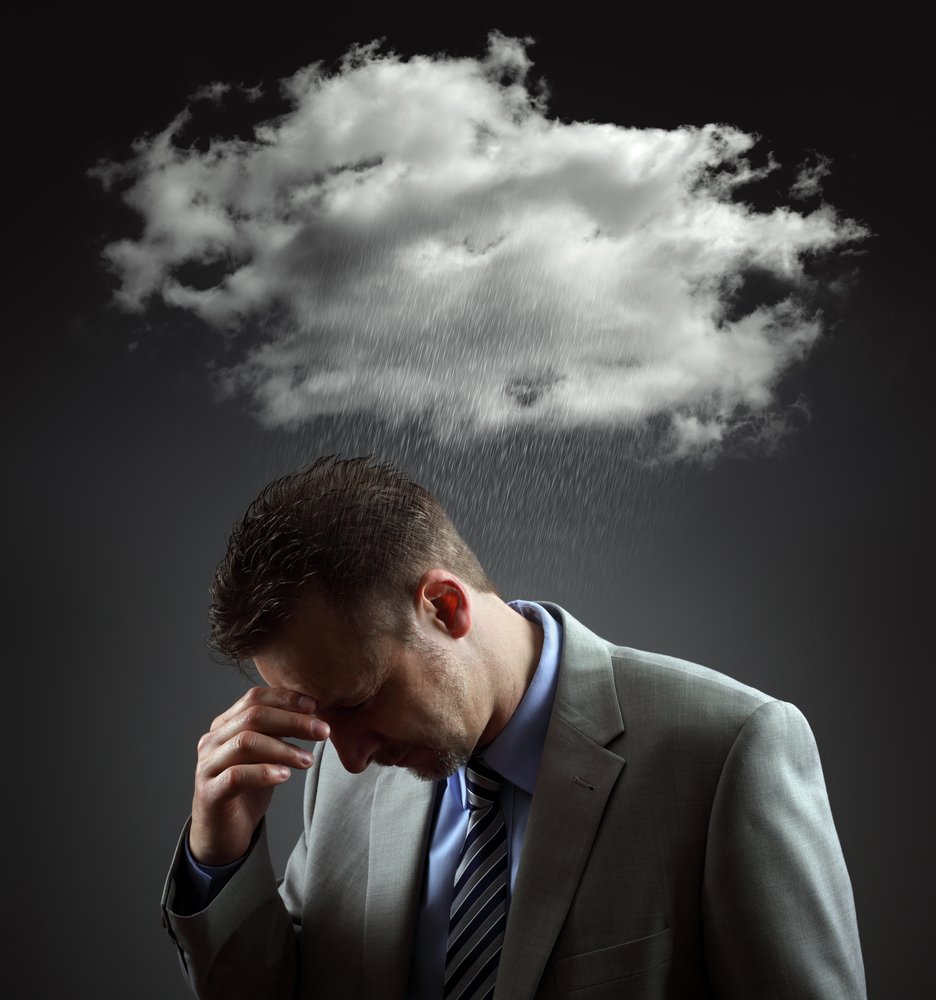
As winter blues loom, many turn to books for distraction or
consolation. But these familiar balms are not always enough
Winter: that
gruesome time of year when the sun only pops round to see you off to
work and leaves before you can cancel your dinner plans. It has
always been a ghastly time for me. When the clocks go back on that
insignificant October day and the night crawls in much earlier, the
woeful and dampening winter spirit takes hold. Winter blues really
aren’t so blue: grey is a much more apt color for the mood.
In 2016, I was
diagnosed with seasonal effective disorder (Sad), a form of
depression that the NHS estimates to affect approximately one in 15
people in the UK between September and April. During that dampened
period, I sought solace in books.
Books have been used
by many, consciously or not, as a form of therapeutic relief. I
plunged into them as desperately as I usually seek my morning coffee.
Each Christmas, I have a habit of returning to old favorites that
complement the mood, such as Jane Eyre. Sometimes, to seek refuge
from the bitter cold, I run back to the heat that I am used to, so
will read a lot of books set in Africa. Whenever the cold becomes too
much to bear, I reach for Titsi Dandaremga’s Nervous Conditions.
One character in the book, Nyasha, embodies the mental disparity of
girls who have grown up balancing cultures, the archetypal diasporic
woman caught between her cultural customs and western ideals.
It became important
for me to find a means to escape my sadness in the lives of others.
And isn’t that what art and fiction is for? To let you feel the
timbers of life shake but also to broaden the imagination so widely
that you temporarily forget the banality of everyday life. The sense
of community that one finds in books, a companionship with the
narrative voice or the characters, can help provide a friend when in
need and tackle one symptom and possible cause of depression –
loneliness. A similar sense of community can be had in libraries, as
shown by Arts Council England’s 2015 research that found that
regular library use saves the NHS a little under £30m a year and
that those who regularly used the library were more satisfied with
their lives than those who didn’t.
According to JJ
Bola, the poet and author of No Place to Call Home, “the world can
get you so down you feel like you’re the only person going through
what you’re going through. But then you read and you realize that
you are not alone; that if someone else has gone through it and
survived, then maybe you can, too.” It is this survival that the
reader looks for, this understanding that the winter is not so long
after all.
The author and
musician Courttia Newland agrees: “When I was going through a
particularly traumatic period in my late teens, books and reading
were presented to me as a way to mentally convalesce. Being an avid
reader already, I instantly recognized their value. To read myself,
racially and spiritually, was the greatest gift and it was then that
I discovered Sam Selvon’s The Lonely Londoners – which not only
unequivocally told me where I came from, but also showed me where to
go – as it was reading that novel that gave me the ideas for my
first published work of fiction.”
Reading certainly
can be therapeutic. Authors who have suffered from depression and
other mental health issues have either sought solace in books, run to
them for distraction or simply found a way to transcribe the
messiness in their minds – Stephen King wrote about his depression
and substance abuse while writing a few of his most admired novels in
On Writing. For DH Lawrence, “one sheds one’s sickness in books”.
Still, this is probably not the purpose of books.
Whenever I feel
depressed and turn to literature for comfort, the chosen book either
lifts my mood or, if it is a sad one, plunges me further into misery
that also helps me know that I am not alone. But when a depressive
episode ends, I will often open a book and find myself transported
back to the very same mood that drove me to seek solace in literature
in the first place. Indeed, I seem to have conditioned myself to only
read when in low spirits.
While books and art
can lift you up and put you in a state of eudaemonia, they are not
antidepressants. When I became seriously depressed, I couldn’t even
get out of bed, let alone maintain the strength and concentration
required to read. Literature is, at best, a complement to
professional medical help. Arts are the food of the soul, but the
mind and body need nourishment, too. As the novelist Jon McGregor
says, “I don’t really like the idea of books being good for you –
can’t they just be great in their own right?”
McGregor is
especially wary of the suggestion that books can be any kind of cure
for mental ill-health. “Serious depression can be so debilitating
that a person experiencing it can’t even find the focus to read a
book, apart from anything else,” he explains. “But of course, the
best fiction can help us to learn new ways of seeing the world and of
relating to other people; can teach us deep empathy. And I’m pretty
sure that empathy is very good for well being.”
We all need to take
a look at what we read, when we read and what we get from reading.
Books are neither medicine nor therapy. They should also not serve as
artifacts that pull you into darkness. I am slowly re-establishing my
relationship with books by being very particular with what I read,
but most importantly, feeling fine that when I can’t read, that is
also OK. It is important that I come to books without preconceptions
of what I want the book to give me. And while I am concentrating on
feeding my soul, I cannot let my mind and body run amok without
ensuring they both get the best possible care also.